The typical homeschooling cost in the UK is between £500 and £5,000 per child per year, depending on the approach. Families using library resources, open educational materials and a largely parent-led structure may spend less than £500 in some years, while families using structured curriculum packages, specialist tutors, and formal GCSE, IGCSE or A-level exam entry can spend well above £10,000 per child each year. There is no general government funding for home education in England, so these costs usually sit entirely with the family.
For parents considering home education, the cost question is often one of the first and most important practical considerations. The honest answer is that homeschooling can be either remarkably affordable or surprisingly expensive, depending on how it is structured. Unlike school, where costs are largely bundled into a single system, home education involves separate choices about curriculum, exam entry, tutors, equipment, and enrichment, and each family builds that combination differently.
This creates enormous flexibility, though it also means that budgeting carefully is essential, particularly once children reach GCSE and A-level stage, where exam fees and subject-specialist teaching become much more significant.
What Homeschooling Actually Costs in the UK
The overall cost of homeschooling depends heavily on how independently parents teach and how much external support they buy in. Some families use a highly flexible, low-cost model built around reading, practical learning, online resources and carefully chosen textbooks. Others replicate something much closer to independent schooling, using structured providers, multiple tutors and a broad programme of extracurricular learning.
Guidance on GOV.UK makes it clear that home education is legally the parents’ responsibility, and in England, there is generally no routine state funding attached to this route. That means families need to budget not only for obvious educational costs, but also for the practical realities of delivering a sustained education over many years.
Community organisations such as Education Otherwise often point out that costs vary as widely as educational styles, which is why any honest estimate should be presented as a range rather than a single number. Parent-focused resources such as The Good Schools Guide also make clear that home education can look very different from family to family, especially when some children follow highly structured exam routes while others learn through more flexible programmes.
Families comparing the broader GCSE route may also find our guide to homeschooling GCSE useful when planning qualification costs alongside day-to-day education spending.
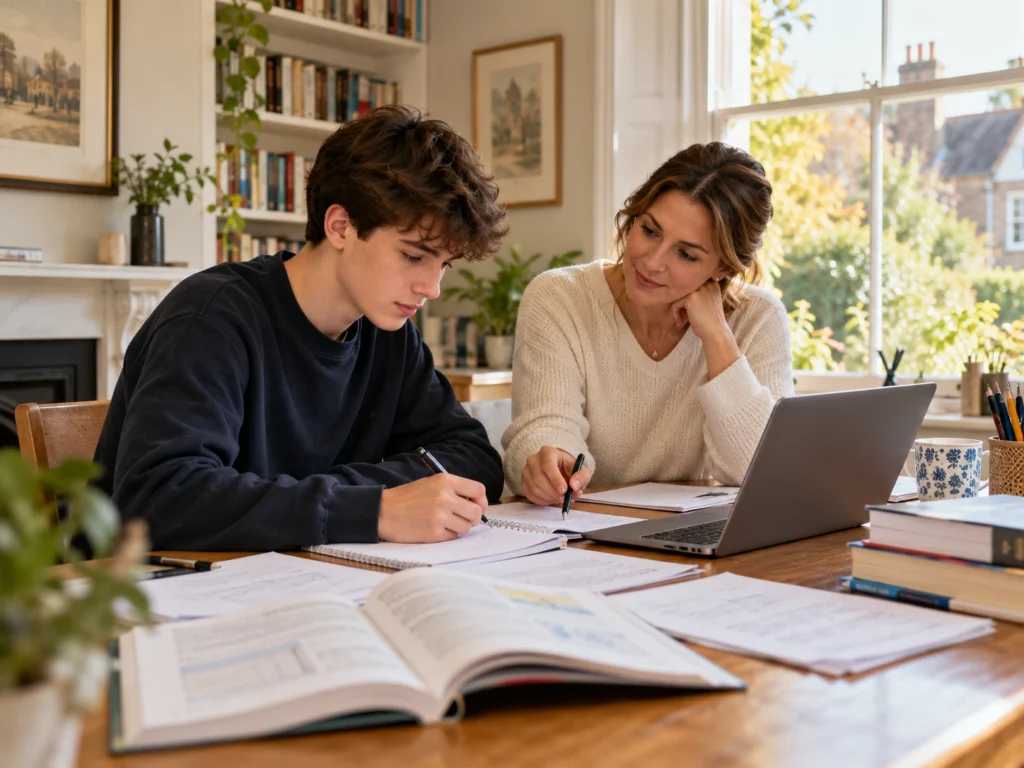
Cost Breakdown by Category
Curriculum and Materials
At the most affordable end, curriculum costs can be modest. Families using libraries, free worksheets, second-hand textbooks and open resources may spend only £50 to £300 per year on core materials. Once structured programmes are introduced, costs rise quickly. Full online curriculum packages, subscription platforms and organised course providers can move annual spend into the low thousands, especially where multiple subjects are purchased at once.
The advantage of spending more is usually structure, consistency and reduced planning pressure on parents. The advantage of spending less is flexibility and the freedom to tailor education closely to the child. Neither route is automatically better; the right choice depends on the child’s age, temperament, academic needs and the amount of time parents can realistically provide.
Tutors
Tutoring is one of the biggest variables in homeschooling budgets. Group tuition or online class providers may cost £20 to £50 an hour. At the same time, experienced one-to-one tutors commonly charge between £40 and £100 per hour or more, depending on subject, level and specialist expertise. For GCSE sciences, A-level Mathematics or essay-based subjects requiring high-level feedback, costs can climb further.
Some families use tutors sparingly, bringing them in only for specialist subjects. Others build tuition into the weekly structure. That difference can dramatically change annual spend. A student having one hour of targeted Maths support each week will cost far less than a student using several tutors across English, sciences, languages and humanities.
Exam Fees
Formal qualifications create a major jump in cost. Pearson Edexcel International GCSEs and Cambridge International IGCSEs typically cost £200 to £350 per subject for private candidates at UK centres, with centres sometimes charging additional administration fees. A-level entries are higher still, commonly £300 to £400 or more per subject before centre charges are added.
For a child taking eight IGCSEs, exam fees alone can reach £1,600 to £2,800. Families should also remember that resits, access arrangements, practical assessments, and late-entry charges can further increase costs.
Students deciding between qualification routes may find our IGCSE vs GCSE guide useful for comparing private-candidate practicality and cost.
Equipment, Activities and Enrichment
Home education often includes rich, practical learning, which can incur additional costs. Science kits, musical instruments, sporting activities, museum memberships, educational trips and specialist clubs all add value, though they also add expenditure. Families who homeschool because they want a broad, child-specific education often deliberately invest here, seeing enrichment as central rather than optional.
The key is to separate educational value from pressure to buy everything. A thoughtful reading list, local library membership and well-chosen trips can be extremely effective, while an overloaded schedule of paid activities can become expensive without necessarily improving outcomes.
Hidden Costs
The highest hidden cost is usually parental time. Reduced working hours, one parent stepping away from full-time employment or flexible work arrangements all create financial implications that can exceed direct educational spending. Single-parent households may feel this pressure especially sharply.
There is also the quiet accumulation of smaller costs, such as printers, stationery, transport, software subscriptions and subject-specific materials. These do not always look significant individually, but over a full academic year, they can become noticeable.
Indicative Homeschooling Cost Ranges by Stage
| Stage | DIY approach | Structured/tutored |
|---|---|---|
| Primary, ages 5–11 | £200–£800 | £1,500–£3,500 |
| Secondary, ages 11–14 | £500–£2,000 | £3,000–£6,000 |
| GCSE / IGCSE, ages 14–16 | £1,500–£3,500 | £5,000–£9,000+ |
| A-level, ages 16–18 | £2,000–£4,500 | £6,000–£12,000+ |
These figures are indicative rather than fixed, though they provide a useful planning framework for families weighing options realistically.
Cost by Stage
Primary Years
Primary years are usually the least expensive because teaching focuses on literacy, numeracy, reading and enrichment rather than expensive specialist tuition. Many families can cover this stage with library books, carefully chosen workbooks, practical learning and low-cost online resources.
Costs rise when parents choose structured curriculum providers, frequent tutoring or paid enrichment activities, but this is usually the stage where low-cost home education is most realistic.
Secondary Years
Secondary education tends to cost more because of the increased breadth of subjects. Parents may feel confident teaching English, basic Mathematics, or humanities, but less confident with science, languages, or advanced Mathematics. This is often the point at which families begin to add occasional subject-specialist support.
Secondary years are also when families need to think more strategically about future GCSE or IGCSE pathways. Choices made in Years 7 to 9 can affect which subjects are realistic later, particularly in languages and sciences.
GCSE and IGCSE Years
GCSE and IGCSE years often bring the biggest shift because formal qualifications, exam-centre fees and specialist subject teaching become much more important. A student sitting six to eight qualifications may need textbooks, past-paper resources, tutor feedback, exam-centre registration and additional support in high-stakes subjects such as English, Maths and science.
This is also the stage where private-candidate logistics become more important. Families need to know which board they are using, which centre will accept them and how any practical or coursework components will be managed.
A-Level Years
A-level study can be more expensive still because advanced subjects frequently require higher-level tuition, and per-subject exam-entry costs are higher. Subjects such as Mathematics, Physics, Chemistry and essay-heavy humanities often benefit from specialist teaching and marked work, especially where students are aiming for competitive university entry.
Students preparing for sixth form outside school may also find our guide to homeschooling A-levels useful when planning subject choice, exam entry and academic support.
How to Reduce Homeschooling Costs
Families can substantially reduce costs without compromising educational quality by using high-quality free resources effectively. BBC Bitesize provides strong free academic support, particularly when used as part of a structured plan rather than as occasional emergency help.
Joining local home-education groups can also reduce costs through shared classes, cooperative teaching and group activities that make specialist provision more affordable. Some families rotate expertise, with one parent leading science activities while another supports literature, languages or practical projects.
At the qualification stage, many families also discover that quality matters more than quantity. Taking fewer well-prepared IGCSEs can often be more sensible and more economical than trying to cover a very broad exam programme. For many future routes, strong English, Maths and a sensible spread of additional subjects are more valuable than a long list of weak or rushed qualifications.
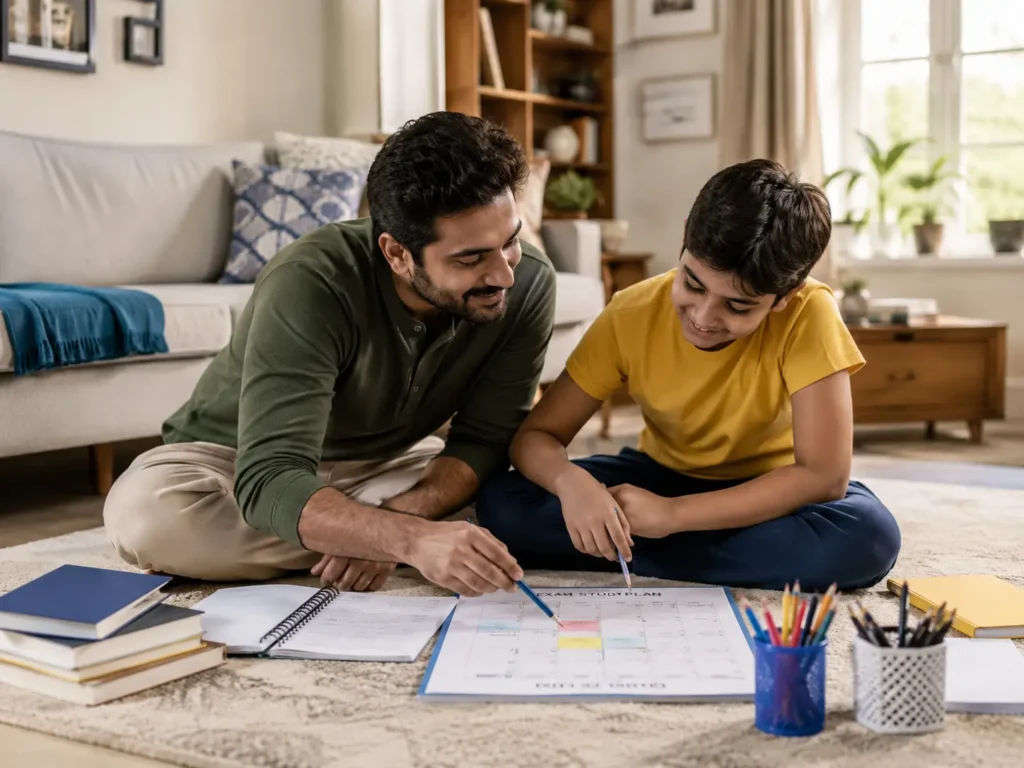
What You Get for the Money
The strongest argument in favour of homeschooling is not cost saving alone. It is educational flexibility. Children can move at their own pace, spend more time on their strengths and weaknesses, pursue serious interests deeply, and build a timetable around sport, performance, travel, or family circumstances in ways schools cannot replicate.
That tailored approach has real value, even when the financial outlay is significant. Some families choose home education because a child is anxious, gifted, neurodivergent, highly involved in sport or performing arts, or better suited to a more personalised rhythm. In those cases, cost should be weighed against educational fit, wellbeing and long-term progress.
Homeschooling is also flexible in how support is used. A family might teach most subjects independently, but bring in a tutor for Mathematics, science, practical planning or essay feedback. This makes it possible to spend selectively rather than commit to a single large annual fee.
Is Homeschooling Cheaper Than Private School?
For most families, homeschooling is substantially cheaper than independent school, even when tutors and exam fees are included. Leading UK private-school day fees can run into tens of thousands of pounds per year, and now carry VAT, while even structured home education is often below that level unless a family uses extensive full-time tutoring.
However, the comparison is not always straightforward. Private-school fees include teaching, facilities, pastoral systems, clubs, exam administration and peer environment. Homeschooling separates those elements, so the headline spend may be lower while parents take on much more organisational responsibility.
The most useful comparison is therefore not only cost, but value and fit. Some families want the structure and community of school. Others want flexibility, individualisation and direct control over pace and content. The right answer depends on the child and the family’s practical capacity.
How Lionheart Education Supports Homeschooling Families
Lionheart Education supports homeschooling families with flexible, pay-per-session tuition rather than annual lock-in models, which suits families budgeting carefully as their educational needs change. Tutors are matched by subject specialism, covering regular weekly Mathematics teaching, essay feedback in English, GCSE science support and targeted exam preparation. Families looking to keep costs down can also consider online homeschooling, which removes travel time without lowering the quality of teaching.
This allows families to add specialist expertise where it matters most while keeping the broader structure of home education flexible and child-specific. For some children, that means weekly tuition in one key subject. For others, it means short-term support before exams, structured mock marking or help rebuilding confidence after a difficult school experience.
Lionheart Education’s role is to strengthen the parts of the homeschool programme that need expert support without forcing families into a rigid or unnecessarily expensive model.
FAQ’S
-
How Much Does It Cost to Homeschool in the UK?
Many families spend between £500 and £5,000 per child each year, although highly structured or tutor-heavy routes can exceed £10,000.
-
Is Homeschooling Cheaper Than Private School?
Almost always. Even an expensive homeschooling route is usually substantially below leading UK private-school fees.
-
Do You Get Financial Help to Homeschool in the UK?
In England, generally no. Home education is legally the family’s responsibility, and routine funding is not normally provided. The Children’s Wellbeing and Schools Act 2026 will place a duty on councils to offer support to families on the new Children Not in School register, but those measures are not yet in force and do not promise funding.
-
What Are the Hidden Costs of Homeschooling?
Parental time, reduced income, enrichment activities, equipment and specialist tutoring are often the largest hidden financial pressures.